England, International legal study, 2026
Bader College
International legal study at Bader College in England, undertaken as part of the LL.M. in Public International Law at Queen’s University.
Study · International Courts · Multilateral Institutions · Refugee Protection
In 2026, legal study extended beyond Canada: international legal study in England and France, institutional visits in The Hague, institutional programming at the United Nations in Geneva, engagement with Canadian diplomatic missions, and international protection work with the United Nations High Commissioner for Refugees. Together they showed how international law operates in practice, across courts, diplomatic institutions, multilateral bodies and protection systems.
Bader College, England
International legal study, 2026
The American University of Paris, France
International legal study, 2026
International Criminal Court, The Hague
Institutional visit
International Court of Justice, The Hague
Institutional visit
United Nations, Geneva
Institutional programming
Canadian diplomatic missions
Institutional visits
United Nations High Commissioner for Refugees
International protection internship, July 2026 – October 2026
England, International legal study, 2026
International legal study at Bader College in England, undertaken as part of the LL.M. in Public International Law at Queen’s University.

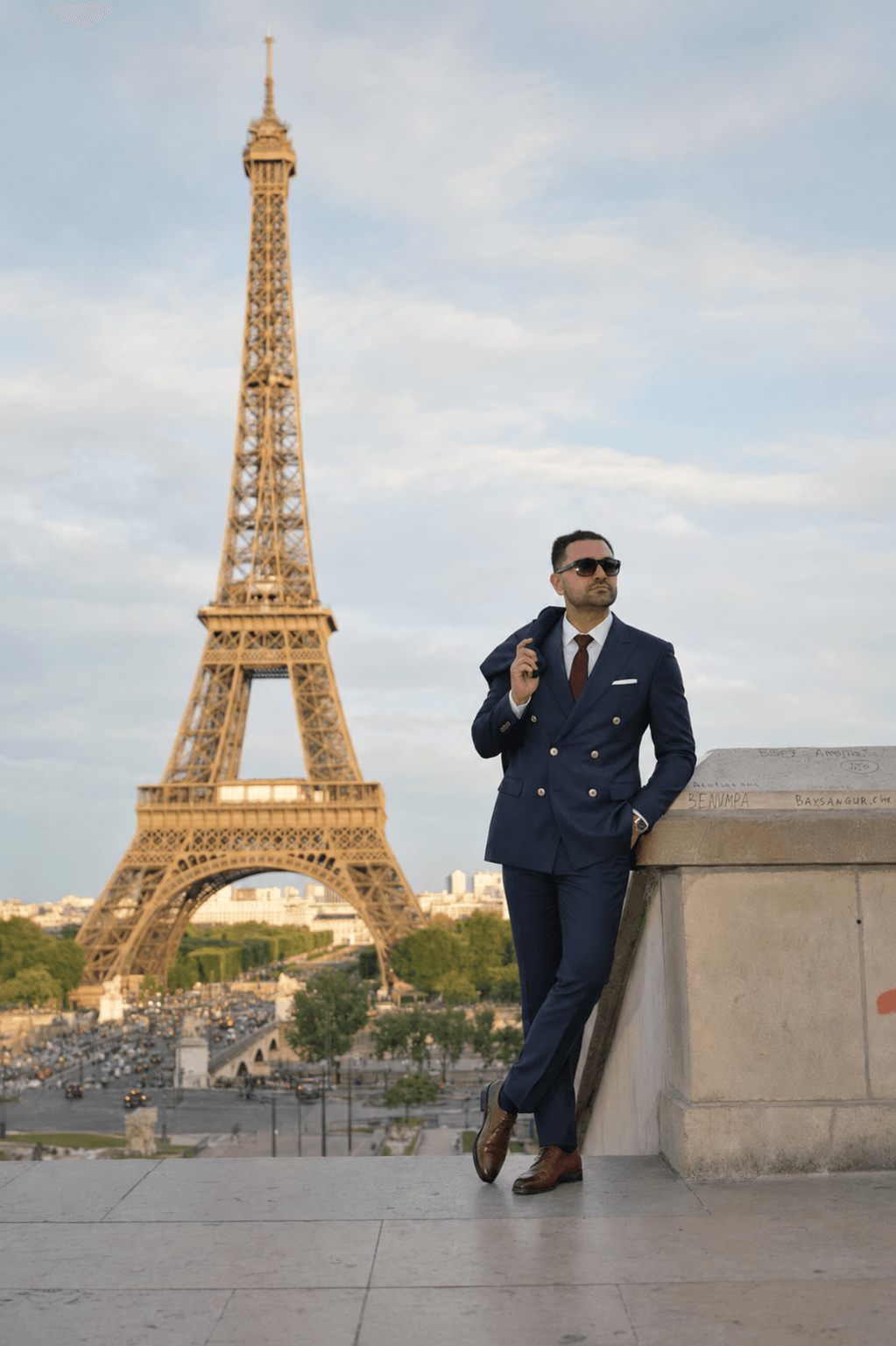
France, International legal study, 2026
International legal study at The American University of Paris, with a focus on public international law and transnational legal issues.
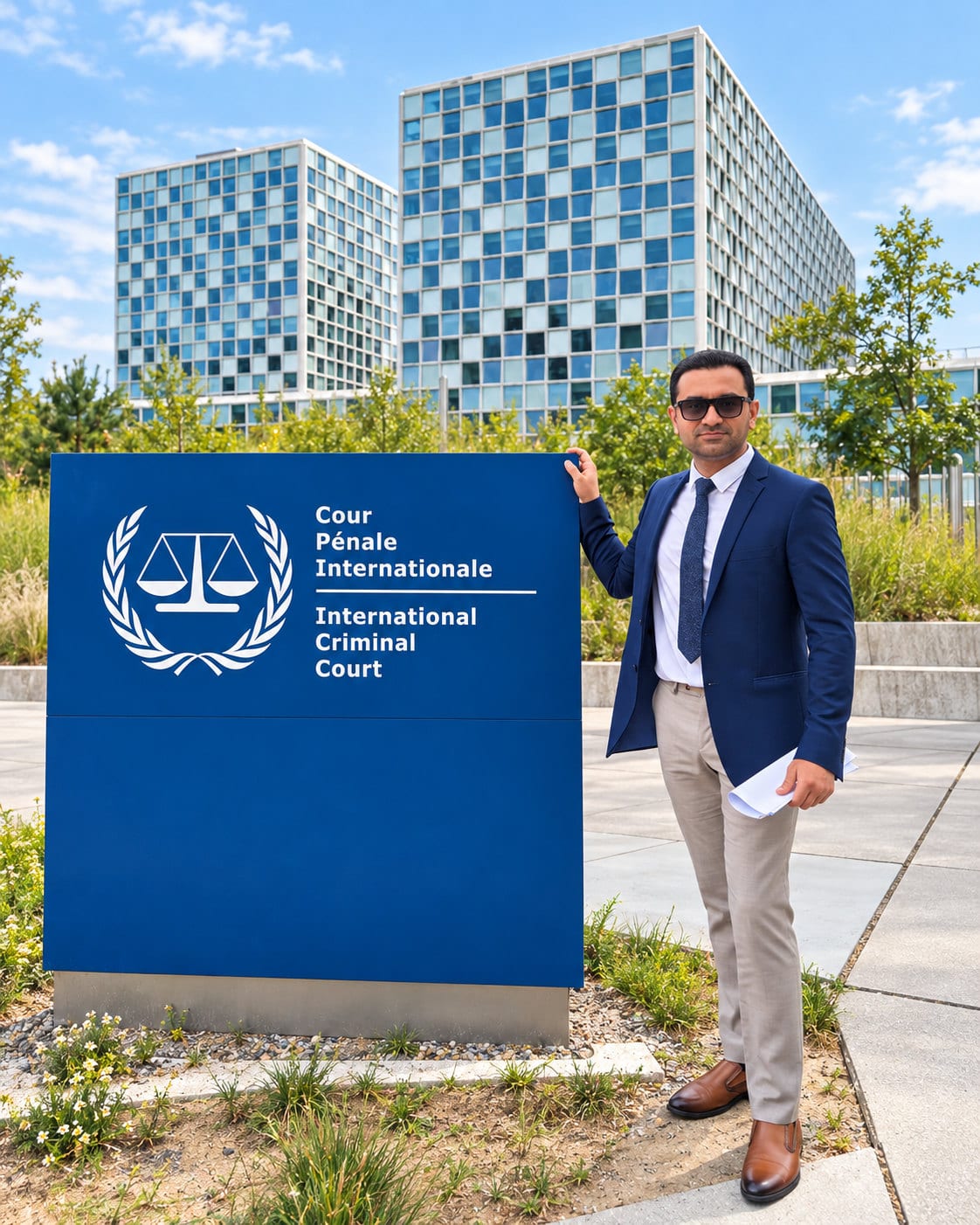
The Hague, Institutional visit
Academic and institutional exposure to international criminal justice at the International Criminal Court, where responsibility for the most serious international crimes is attributed to individuals.
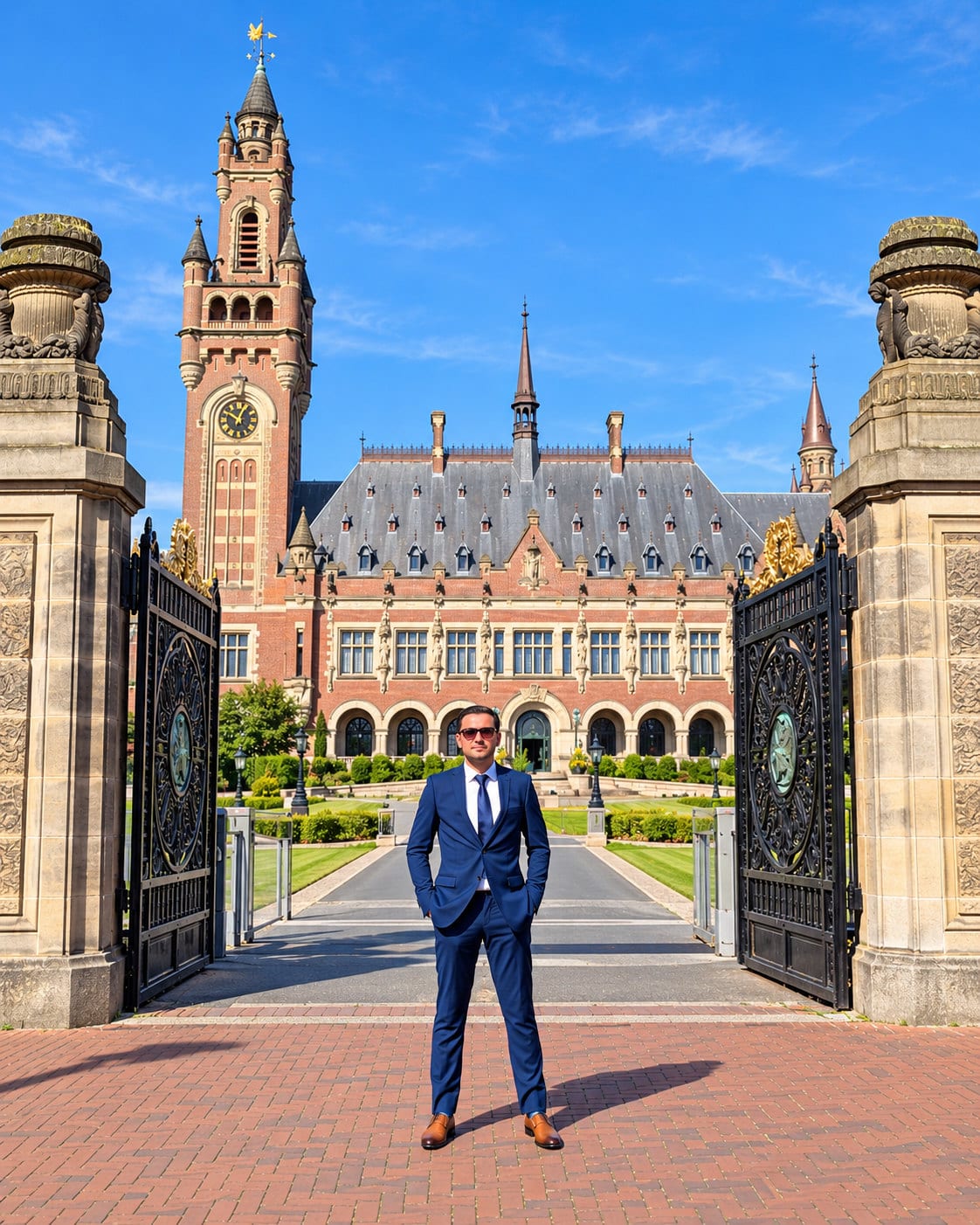
The Hague, Institutional visit
Academic engagement with the principal judicial organ of the United Nations and with interstate adjudication, where disputes are decided between states rather than against individuals.
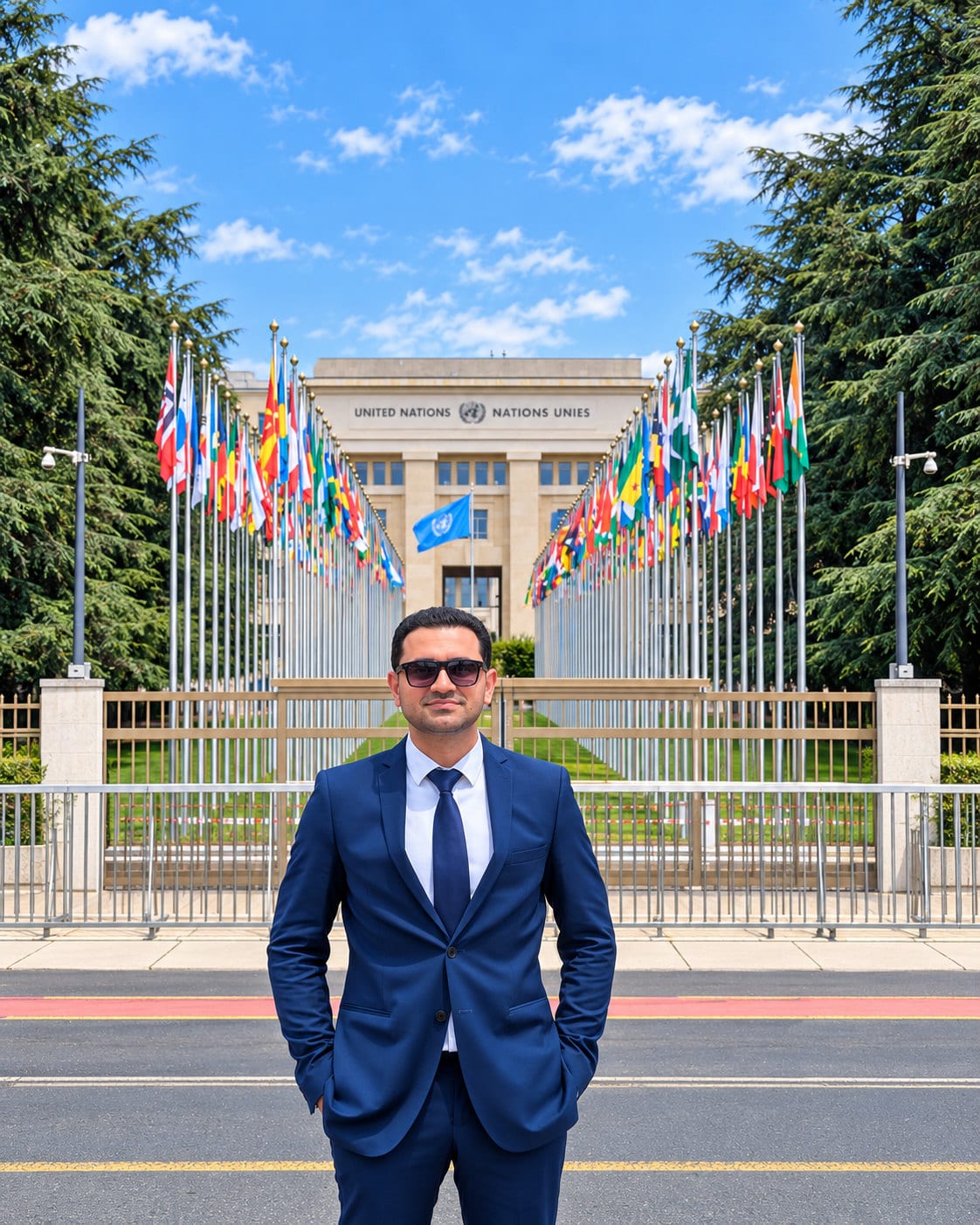
Geneva, Institutional programming
Institutional programming at the United Nations in Geneva, with exposure to the international human rights and wider multilateral system.
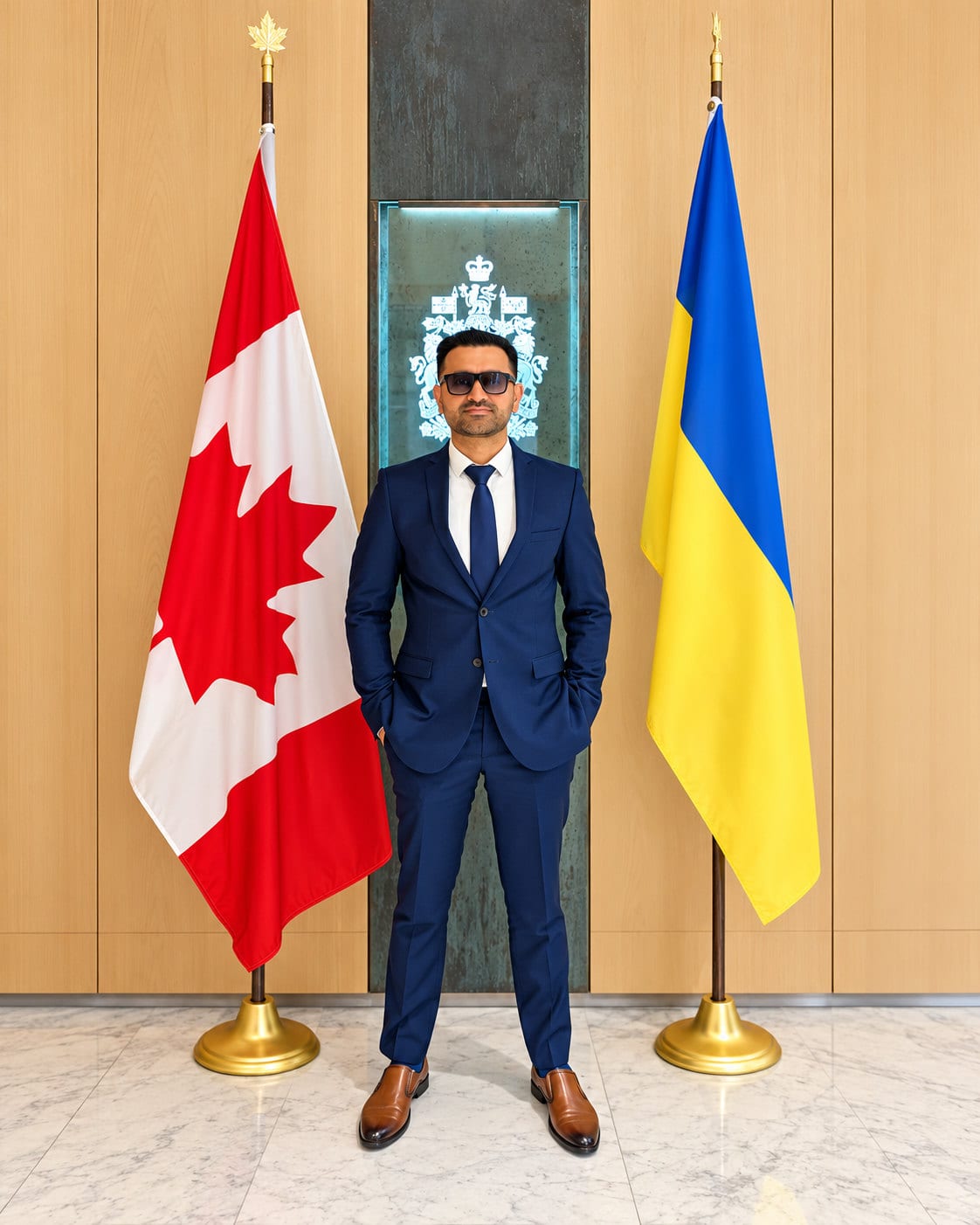
Institutional visits
Visits to Canadian diplomatic missions that provided exposure to diplomacy, the practice of international law and the representation of the state abroad.
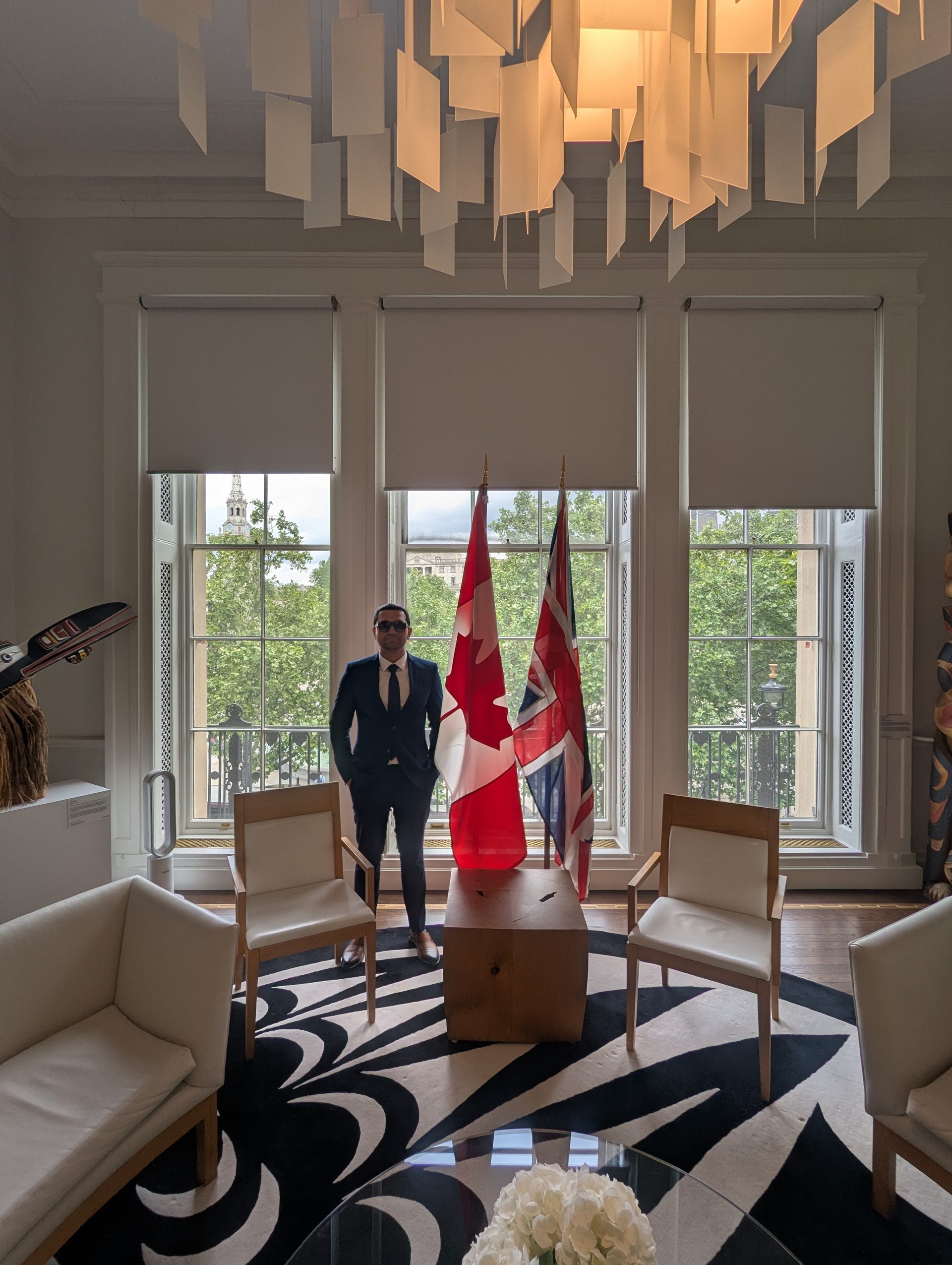
Geneva, Switzerland | Dar es Salaam, Tanzania | Remote, Canada, International Protection Legal Intern (Refugee Law and Protection), July 2026 – October 2026
International protection work focused on refugee law, evidence, protection assessment and administrative decision-making. The placement began as a summer placement and was extended so I could continue protection work remotely from Canada through October 2026.
Seen together, these settings show international law at different points of contact with the individual: a court that attributes criminal responsibility to individuals, a court that settles disputes between states, multilateral and diplomatic institutions that shape and represent the rules, and protection systems that apply them to people whose status and safety depend on the outcome.